New Drug Raises Hope for Fatty Liver Disease Cure
A scientific breakthrough at Michigan Medicine has raised fresh hopes in the fight against fatty liver disease after researchers reported that an experimental drug reversed a serious form of the condition in animal studies by targeting an unexpected source of liver damage: the gut.
The discovery could open a new frontier in liver medicine, offering a potential treatment approach that goes beyond the liver itself to address the biological processes that contribute to inflammation, tissue damage and disease progression.
The experimental drug, known as DT-109, is a compound made from three amino acids. Researchers found that it could reduce harmful bacterial activity in the intestines, limit the production of ammonia and strengthen the intestinal barrier, helping to prevent damaging substances from reaching the liver.
The findings are significant because they highlight the close relationship between the gut and the liver, suggesting that disturbances in the intestinal environment can contribute to the development and progression of chronic liver disease.
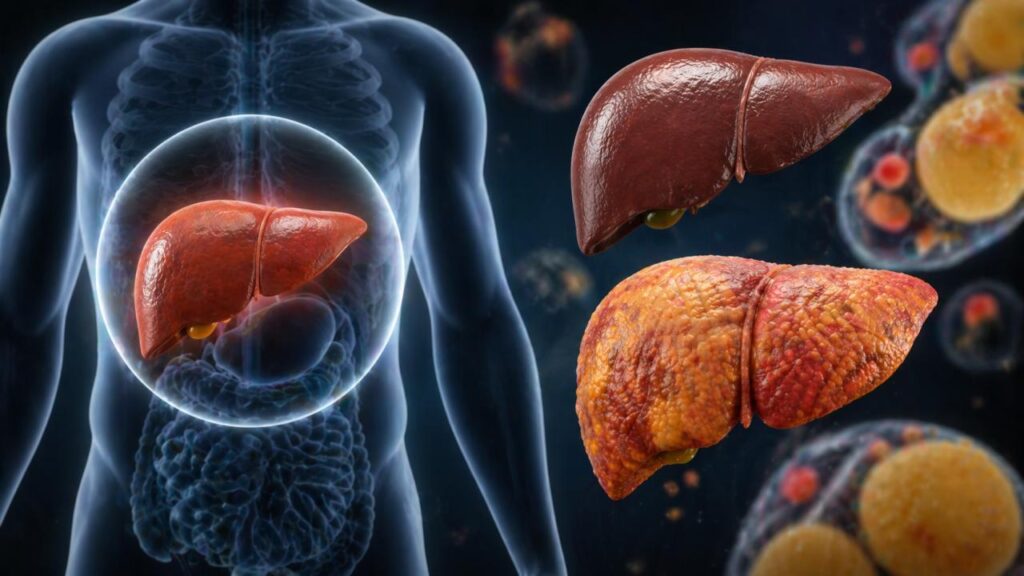
One of the conditions at the centre of the research is metabolic dysfunction-associated steatohepatitis, or MASH, formerly known as non-alcoholic steatohepatitis. It is an advanced form of fatty liver disease in which fat accumulates in the liver and triggers inflammation and damage to liver cells.
As the condition progresses, it can cause fibrosis, characterised by the formation of scar tissue, and eventually lead to cirrhosis, liver failure and an increased risk of liver cancer.
Fatty liver disease is increasingly recognised as a major global health concern, partly because of its association with obesity, type 2 diabetes and other metabolic disorders. Many people may have the condition for years without obvious symptoms, allowing liver damage to progress before it is diagnosed.
The Michigan findings suggest that the gut may play a more important role in this process than previously appreciated. The intestine and liver are closely connected through the portal vein, which carries blood from the digestive system to the liver. Substances produced by intestinal bacteria can therefore influence liver function, particularly when the protective lining of the gut becomes compromised.
The researchers identified harmful bacterial activity and excessive ammonia production as contributors to this process. When the intestinal barrier is weakened, damaging substances can enter the bloodstream and trigger inflammatory responses in the liver.
By targeting these mechanisms, DT-109 appeared to interrupt the cycle of intestinal damage and liver inflammation in the animal studies. The findings provide a scientific basis for investigating whether the same approach could help treat people suffering from MASH.
If the treatment proves safe and effective in humans, its significance could extend beyond reducing fat accumulation in the liver. It could potentially address some of the processes responsible for the progression of the disease, creating an opportunity to prevent further damage and, in certain circumstances, allow the liver to recover.
The liver has a remarkable capacity to repair itself when the underlying cause of injury is controlled. However, the extent of recovery depends on the severity and duration of the damage. While early-stage disease may improve considerably, advanced cirrhosis involves extensive scarring that cannot simply be assumed to disappear with treatment.
Consequently, the current findings do not establish that DT-109 can reverse cirrhosis, restore a severely damaged liver or eliminate the risk of liver cancer. Such possibilities would require evidence from carefully conducted human studies.
The research could nevertheless have implications for the wider understanding of liver disease. Scientists may investigate whether similar interactions between intestinal bacteria, the gut barrier and inflammation contribute to other liver conditions. However, diseases caused by hepatitis viruses, excessive alcohol consumption, autoimmune disorders and inherited conditions have different underlying mechanisms, meaning that a treatment effective against MASH would not automatically cure them.
The immediate challenge is to determine whether the promising results observed in animals can be reproduced in people. Before DT-109 can become an established treatment, researchers must assess its safety, determine appropriate doses and establish whether it produces meaningful and lasting improvements in liver health.
Clinical trials would also need to establish whether the drug can reduce inflammation, prevent or reverse fibrosis and improve outcomes that matter to patients. Larger studies and regulatory approval would be necessary before it could be prescribed routinely.
How soon humanity could benefit therefore remains uncertain. If development proceeds successfully, an experimental medicine may still require several years to pass through human trials and regulatory assessment. Five to ten years or longer is possible, although the timeline could be shorter or considerably longer depending on the evidence. Some promising experimental drugs never become approved treatments.
For patients already living with fatty liver disease, the discovery is encouraging but should not be interpreted as a reason to delay medical care. Managing diabetes and cholesterol, addressing relevant metabolic risk factors, maintaining appropriate physical activity and following medical advice remain important elements of care. Patients with advanced liver disease require specialist supervision.
The availability and affordability of any eventual treatment will also determine its impact, particularly in countries where access to specialist diagnosis and liver care remains limited.
Ultimately, the Michigan research offers a compelling new perspective on the fight against chronic liver disease. By demonstrating that targeting the gut can improve liver damage in animal models, scientists have opened a potential route towards treatments that address the underlying processes driving disease rather than concentrating exclusively on its effects.
For millions of people at risk of serious liver complications, the prospect is encouraging. But the decisive breakthrough will come only when human trials demonstrate that the experimental drug is safe, effective and capable of delivering lasting benefits. Until then, DT-109 remains a promising candidate, not a proven cure.